Omega-3
recommendations for vegans
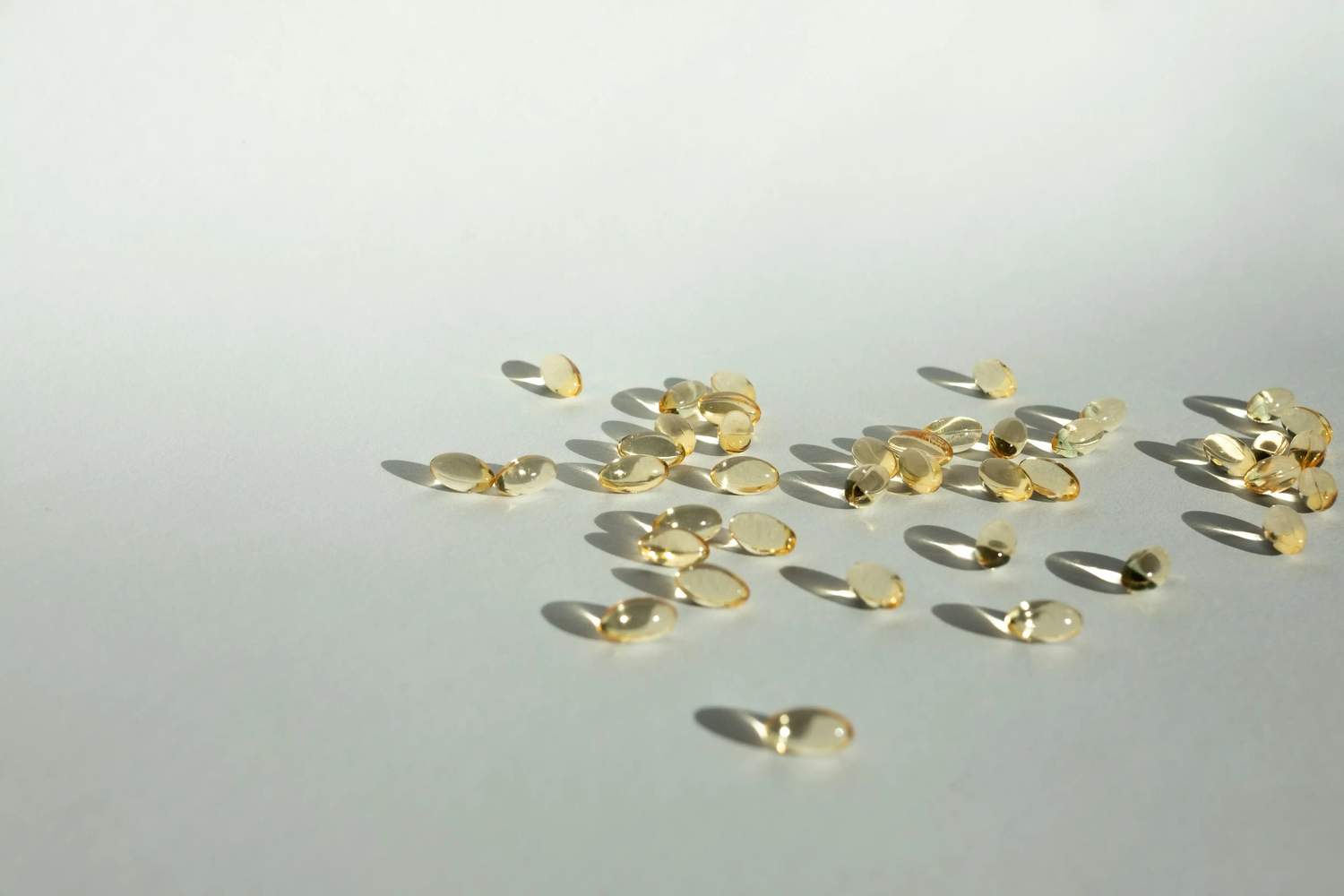
Omega-3 is a type of fat often associated with fish. For those following a vegan lifestyle, fish isn't generally consumed, and so it's important to obtain omega-3 fats from other sources. In this article, we'll review what omega-3 fats are, the recommendations, plant-based sources and whether supplementation should be considered.
The basics
Let's backtrack a bit. We can break down fats into three main categories: 1) saturated, 2) unsaturated, and 3) trans. To learn more about the types of fats before diving in deeper, see our article on oils and fats. As shown below, omega-3 fats are a small subset of the total fats we can get from the foods we eat, and yet they are one of the most vital for our overall health and well-being.

Omega-3 fats in brief
Omega-3 fats are the raw building material for our brain, nervous system, and the outer structure of our cells. They work favourably in the body to support immune function, vision, and heart health. Omega-3 fats can reduce the risk of a wide range of diseases, such as heart disease, cognitive decline, autoimmune diseases, and several types of cancer. Omega-3 fats are also known to help prevent deficits in child development. This means they're especially important during pregnancy, infancy and childhood to support the growth and development of little ones.
Types of omega-3 fats
The main three omega-3 fats include alpha-linolenic acid (ALA), eicosapentaenoic acid (EPA), and docosahexaenoic acid (DHA).
Alpha-linolenic acid (ALA)
ALA is an essential fat which means our body can't make it. Due to this, we must get ALA from food. Plant-based sources of ALA include canola oil, chia seeds, flaxseeds, flaxseed oil, full-fat soy foods, hemp seeds, hemp seed oil, pumpkin seeds and walnuts.
Eicosapentaenoic acid (EPA) and docosahexaenoic acid (DHA)
EPA and DHA aren't essential, which means our body can make them. For non-vegans, EPA and DHA are highest in fish. For vegans, plant-based sources include microalgae and sea vegetables. Overall, our body can convert ALA into EPA and DHA:
Omega-3 ALA --> (lots of extra steps) --> EPA --> DHA
Recommendations
The Institute of Medicine (IOM) has set an Adequate Intake value for omega-3 ALA intake. It's important to note that optimal amounts and recommendations are still being debated and researched.
- Men: 1.6 g/day (3.2 g/day for vegans)
- Women: 1.1 g/day (2.2 g/day for vegans)
- Pregnant women: 1.4g/day
The original values assume the population is eating DHA- and EPA-rich food sources, such as fish. As a result, for those not consuming fish, it's estimated that the ALA recommendation should be doubled to 3.2 g ALA per day for men, and 2.2 g ALA per day for women. This is to ensure enough ALA converts to EPA and DHA to meet our needs.
Factors that reduce ALA conversion
There are several aspects that impact our omega-3 status, most notably by affecting the conversion of ALA into EPA and DHA. Some factors that reduce our body's ability to make EPA and DHA from ALA include:
| No.01 | Chronic diseases such as diabetes or high blood pressure. |
| No.02 |
Poor overall nutrition including inadequate protein and vitamin intake. In particular, older adults may be at a higher risk for less ALA conversion due to a decline in overall intake. |
| No.03 |
High intake of omega-6 fats. In order for ALA to be converted to EPA and DHA, it requires enzymes (a type of protein) that help the process along. It turns out that both omega-3 fats and omega-6 fats compete for the use of these enzymes in our bodies. This means that an excess of omega-6 fats can reduce ALA conversion. |
How to get enough omega-3 fats
No. 01 - Optimize omega-6 and omega-3 intake
If omega-6 fats dominate, it reduces the body's ability to make EPA and DHA from ALA. This is of greater concern to those of us who follow plant-based dietary patterns and don't consume direct sources of EPA and DHA from fish. The optimum ratio of omega-6 to omega-3 fats is still up for debate, but it's thought to be around 1:1. Currently, in most Western diets, the ratio is closer to 15:1! This means that generally, omega-6-rich ingredients are being consumed much more than omega-3 rich foods. Omega-6 fats are found in corn oil, grapeseed oil, safflower oil, soybean oil, hemp seeds, sunflower seeds, pine nuts, and soybeans.
Experts recommend choosing foods high in omega-3 more often and being conscious of foods high in omega-6 so as to choose these less often.
In summary, it's important to be mindful of omega-6-rich food sources. Aim to consume omega-6-rich foods sources less often, while aiming to consume omega-3-rich food more often. This will help our body to better convert ALA to the beneficial EPA and DHA.
No. 02 - Consume ALA-rich foods daily
It's recommended to get as much omega-3 from food sources over supplements wherever possible. Here at PUL, we also aim to get fats from whole foods before oils if possible. This is because foods often contain fibre and other vitamins and minerals that are beneficial to our overall health that regular vegetable oils may not offer. Aiming to consume at least one ALA-rich source daily can help meet our needs. Some ALA-rich ingredients include:
4 - 7g ALA per serving:
- Flaxseed oil (1 Tbsp)
- Chia seeds, ground (2 Tbsp)
1 - 3g ALA per serving:
- Flaxseeds, ground (2 Tbsp)
- Hempseed oil (1 Tbsp)
- Hempseeds (2 Tbsp)
- Canola oil (1 Tbsp)
- Walnuts (¼ cup)
- Tofu (¾ cup)
With this in mind, there are several ways we can boost our intake of omega-3 fats, such as to:
- Add chia seeds, ground flax seeds, hemp seeds, and walnuts to oatmeal, smoothies, or parfaits. These ingredients can also be added to baked goods such as cookies, muffins, or breads.
- Top yogurt with hemp seeds.
- Enjoy a handful of walnuts on their own or in a trail mix.
- Add ground flax seeds to homemade veggie patties.

Even with the increased intake of ALA though, the conversion of ALA to EPA and DHA may be unpredictable. Overall, the conversion of ALA to EPA can range from 0.3% - 21% and the conversion of ALA to DHA can range from 0% - 9%. Due to this, supplementation may be beneficial.
No. 03 - Consider a supplement
To date, there are no studies that outright recommend an omega-3 supplement for vegans. One study found that those following a plant-based diet were able to increase their body's omega-3 levels through supplementation, but whether this supplementation would provide additional health benefits is still unclear. Omega-3 has often been hailed as a nutrient that decreases the risk for certain diseases, but this risk is generally already much lower in vegans.
To be safe, though, taking an omega-3 supplement, in addition to ensuring consistent intake of omega-3 rich foods, can be beneficial. If looking to supplement, consider finding sources derived from algae. This may especially be true for groups that have difficulty with the conversion of ALA to EPA and DHA, such as pregnant or breastfeeding women and those with a chronic disease, such as diabetes.
Supplementing with a microalgae capsule that offers 200-300 milligrams of EPA/DHA two to three times per week should suffice. In any case, consulting with a physician or dietitian is always the best practice.
Summary
- Find a balance between omega-3 and omega-6. Choose omega-3-rich foods more often and omega-6-rich foods less often as able. This helps our bodies to better convert ALA to EPA and DHA.
- Include a high dietary ALA source daily. Whole food sources include ground flax seeds, chia seeds, hemp seeds, and walnuts.
- Consider an EPA/DHA supplement. Although not necessary, supplements do effectively boost omega-3 fat status in the blood and may be beneficial. Aim for a microalgae supplement that offers 200-300 milligrams of EPA/DHA two to three times per week.
Suggested articles
-
 4 min
Zinc
a vegan's guide, simplified
-
 7 min
PDF guide
Iron on a Plant-Based Diet
sources & how to get enough
-
 6 min
Vitamin D and Nutrition
do we need supplements?
-
 5 min
Adequate Vitamin B12
on a plant-based lifestyle
-
 4 min
Video on YouTube
Foods We Eat Everyday
to optimize health
-
 9 min
Video on YouTube
Calcium on a Plant-Based Diet
everything you need to know
-
 4 min
Benefits of Soaking
nuts, seeds, beans & grains
-
 7 min
A Guide to Sugar
tips to reduce added sugars
-
 8 min
PDF guide
Video on YouTube
Healthy Food Hacks
making nourishing choices
-
 6 min
How to Gain Weight
healthfully on a plant-based diet
-
 8 min
Organic vs. Conventional
what's the best choice?
-
 9 min
Coconut Oil
filtering through the health claims
Leave a comment
Hi Pul team,
I've been plant-based for 5 years now (37m) and recently started supplementing Omega-3s. I noticed in the shops that there is a choice of supplements that have EPA+DHA or DHA only. In this article it says "EPA/DHA". Does that mean it's better to take a supplement that has a mixture of both, or does a DHA-only supplement suffice? Thanks for your reply and keep up the great work!
Hi Pul team,
I am in my late 50's, vegan, gluten-free and allergic to peanuts and any type of nut, onions and peppers. Can you advise what other foods I might try to boost my Omega-3 intake?
Hi Sadia, can you please recommend a good brand for algae oil supplement?
Hi Sadia, really nice article.
Can you suggest some information for PCOS?
Can you provide a recipe to the mix?
Can you suggest something for pimples
Great article! Thank you!
This study is very enlightening for anyone interested in whole vegan sources of EPA and DHA:
One interesting conclusion is that "the [recommended daily] intake of 250 mg of EPA+DHA may be met by ingesting only around 68 g of fresh Calliblepharis jubata, or 90 g of Undaria pinnatifida [commonly known as wakame, the same species found in Japanese seaweed salads]".
Hello Sadia,
Thank you for this great overview on omega's!
The omega-content in Tofu makes me guess: Where did you find the reference?
As I have no idea how many grammes a 3/4 cup of Tofu is, it sounds a lot of fat for such a low-fat product.
Greetings,
a fellow dietitian from Austria
If we are supposed to consume more omega 3s as vegans, would eating hemp seeds and pumpkin seeds, which are also high in omega 6s be a bad thing?
Do you think it is possible to reach my omega 3 needs by only eating ground flax or walnuts daily? Where I live algae oil supplements are very expensive. Should I take blood tests to make sure that I am meeting my needs? If so, how often?
Hello there!!!
Thanks for all this gift of information.
Just one doubt… canola oil? I have heard the worst things about it. No benefits at all.
Am I that wrong?
Great article, thank you for providing such helpful information. While reading your article, I had this question pop up in my head: if the fish get their Omega-3 from algae, and if we directly consume algae, are we basically consuming the food of fish? Unless entrepreneurs who are manufacturing algae supplements are ensuring that they source algae without disturbing the ecological balance, a side effect would be to consume algae which is meant for the fish to survive.
This is the first article I read on PUL! Big fan of PUL! Thanks for the lovely content, beautifully structure in this article, lot of new learnings!
Would love to learn more😍
Thank you for this great article! However, I would be very grateful if you could provide a reference for the ability of humans to synthesize EPA and DHA. My understanding is that this is not well documented, I would be delighted if there was good evidence to the contrary.
Hey there,
Would you be willing to share the omega-3 supplements you take personally? I feel like there are so many options it’s overwhelming to choose one. Also, any recommendations on alternatives for people that have a hard time swallowing the large pills they come in?
Good morning,
This was a great read with lots of info for anyone who is looking for a place to start when it comes to learning about omega-3s and the benefits they provide. Can you give some organic vegan suggestions for omega-3 supplements? Thank you and have a great day!
Hello PUL! Thanks for a very informative article on fats. If chia seeds are better absorbed ground, should our chia pudding be made using ground chia seeds and not whole? I love the crunchy bits of chia in my pudding and I enjoy it for breakfast at least twice a week.
Estimada Sadia, muchas gracias por los artículos y la información que compartes. He logrado hacer la transición a un estilo de alimentación que no causa dolor a otros seres vivos con gran apoyo de estos artículos y videos. Sinceramente, muchas gracias.