Adequate Vitamin B12
on a plant-based lifestyle
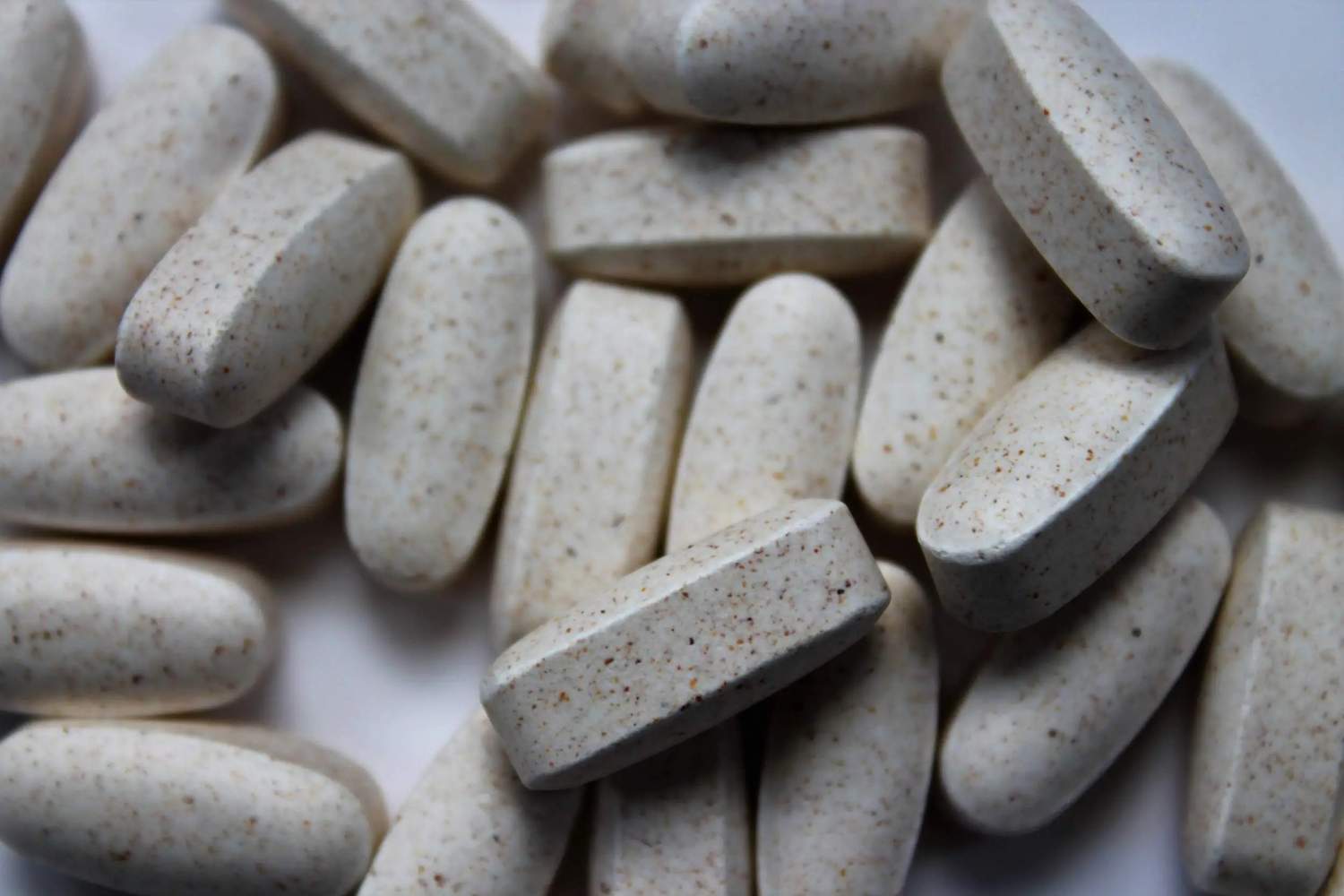
Embracing a plant-based lifestyle offers many benefits, but it also may increase the risk of vitamin B12 deficiency. While it’s true our bodies can recycle vitamin B12, it isn't enough to cover our daily needs in the long run. In this article, we explore what vitamin B12 is, plant-based sources of vitamin B12, and how to make sure we get enough of it.
Vitamin B12 in brief
Vitamin B12 is a small vitamin with big importance, especially in plant-based lifestyles. It's made by bacteria, not animals or plants, so it's important to find a reliable source. The good news is, with some attention, getting enough vitamin b12 is easy.
Why vitamin B12 matters
Vitamin B12 has many roles from making healthy blood cells, keeping our nerves working properly to send messages throughout the body, and making DNA, which is especially important during growth. Vitamin B12 also helps remove homocysteine from the body. High levels of homocysteine are linked to an increased risk of heart disease, stroke, and bone problems.
If we don’t get enough Vitamin B12, we might feel weak, tired, and have trouble concentrating. It's possible to get enough vitamin B12 to avoid obvious deficiency symptoms, but still not meet recommended levels, so avoid relying on symptoms to indicate if intake is low. Over time, a vitamin b12 deficiency can lead to other serious issues like anemia, nerve damage, and problems with memory and balance.
How much vitamin B12 do I need?
The average adult needs 2.4 mcg of vitamin B12 each day, although a growing body of research suggests that higher levels are better for optimal health. Aside from plant-based lifestyles, paying attention to vitamin B12 is especially important in pregnant or lactating populations, all adults over 50, and people with certain health conditions, such as digestive disorders or those taking medications that reduce stomach acid.
High amounts of vitamin B12 are unlikely to cause harm in most people, so no upper limit is set.
Sources of vitamin b12
Reliable plant-based sources of vitamin B12 include supplements and fortified foods like breakfast cereals, meat alternatives, nutritional yeast, or plant-based milks. Unfortified foods, such as mushrooms or spirulina, aren't dependable enough to meet our needs. The body has been thought to make vitamin B12 naturally, but this amount also isn't enough to meet our needs, and is typically too far down in the digestive tract to be effectively absorbed.
Combining supplements and fortified foods and is likely the most effective way to get all of the vitamin B12 that we need.
Types of supplements
When it comes to supplementation, we often see either the cyanocobalamin or methylcobalamin form. Let's briefly review both.
Cyanocobalamin
Cyanocobalamin is the most common and stable form of Vitamin B12. As the name suggests, it contains a small amount of cyanide to help stabilize the vitamin. While cyanide can be harmful in large amounts, the small amount in cyanocobalamin is considered safe. For reference, 1000 mcg of cyanocobalamin has around 20 mcg of cyanide, and healthy adults can detoxify up to 1000 mcg of cyanide a day. Once we consume cyanocobalamin, our body removes the cyanide and converts it into methylcobalamin. This conversion can be challenging for people who smoke or have kidney issues though, so in these cases, using a direct source of methylcobalamin might be better.
Methylcobalamin
Methylcobalamin is less stable compared to cyanocobalamin, and there’s less research on its effectiveness. Factors, like age and genetics, also impact how much we're able to absorb.
How to get enough
Getting enough vitamin B12 is crucial for those of us following a plant-based lifestyle. Here are some ways to make sure we get enough:
-
Food: consume 3 separate servings of vitamin B12 fortified foods, with each serving offering at least 2.4 mcg of vitamin B12. Some foods that may be fortified include plant-based milk, meat substitutes, nutritional yeast, and breakfast cereals. Be sure to read the food labels to determine how much vitamin B12 is in the product, if at all, and spread foods out throughout the day. Vitamin B12 receptors can become full with doses as small as 1.5 mcg, meaning that if we consume large amounts at once, our body won't absorb all of it efficiently.
-
Daily supplementation: take a daily supplement that includes at least 50 mcg of vitamin B12. A larger dose of 500 - 1000 mcg per day may be ideal for adults over the age of 65 due to the less ability to absorb vitamin B12 from foods.
-
Biweekly supplementation: take a supplement that includes at least 1000 mcg of vitamin B12 twice a week. Although our daily needs for vitamin B12 are much less than this, the body only absorbs a fraction of what's offered by a supplement. This dose is higher than suggested for daily supplementation, because the less frequently vitamin B12 is taken, the higher the dose we need is.

Commonly asked questions
What supplement type should we take? Liquid supplements, tablets that dissolve under the tongue, as well as regular tablets to swallow or chew are all suitable.
What if we take too much? When we take larger doses, the body only absorbs a fraction of what's offered because the receptors become full and can't absorb anymore. With this in mind, there's no concern with taking too much. Additionally, vitamin B12 is a water-soluble vitamin, meaning any extra we have above and beyond what our body needs will simply be excreted in our urine.
What if we miss a dose? The body is great at re-absorbing vitamin B12 so it shouldn't be a cause for concern if we happen to go a period without supplements. For those of us who've been vegan for a few months and haven't been supplementing, now's a great time to start!
What do deficiency symptoms look like? Short-term deficiencies can be remedied. Long-term deficiencies on the other hand can cause irreversible damage. Early symptoms of deficiency include weakness, fatigue and mood changes. These can be easily confused for other causes aside from vitamin 12 deficiency, so it's important to supplement regardless.
Summary
- The recommended intake of vitamin B12 for adults is 2.4 mcg per day. For older adults, the recommendations are much higher.
- Foods alone are less reliable sources of vitamin B12. Supplementation is often recommended to be combined with food intake.
- Vitamin B12 supplements typically come in the form of cyanocobalamin and methylcobalamin. Choosing which form to take will depend on your needs, lifestyle, and current medical conditions.
Suggested articles
-
 4 min
Zinc
a vegan's guide, simplified
-
 7 min
Omega-3
recommendations for vegans
-
 7 min
PDF guide
Iron on a Plant-Based Diet
sources & how to get enough
-
 6 min
Vitamin D and Nutrition
do we need supplements?
-
 4 min
Video on YouTube
Foods We Eat Everyday
to optimize health
-
 9 min
Video on YouTube
Calcium on a Plant-Based Diet
everything you need to know
-
 4 min
Benefits of Soaking
nuts, seeds, beans & grains
-
 7 min
A Guide to Sugar
tips to reduce added sugars
-
 8 min
PDF guide
Video on YouTube
Healthy Food Hacks
making nourishing choices
-
 6 min
How to Gain Weight
healthfully on a plant-based diet
-
 8 min
Organic vs. Conventional
what's the best choice?
-
 9 min
Coconut Oil
filtering through the health claims
Leave a comment
Hi,
Are these recommendations still current?
I'm looking at and they seem to be higher there.
Hi PUL team,
I have only found supplements with 1000 MCG, and it doesn't seem to be recommended to cut pills in half unless noted. If trying to follow daily recommendations, would I be better off skipping step 2 AND just doing step 1 (food) and step 3 (biweekly)?
Hi Sadia!
Thank you for such a valuable information!
I was told by my dermatologist (and since then reading about it) that B12 can cause acne, which it might had been my case. I stopped taking the supplement a couple of years ago + follow an acne treatment and the acne improved, but my latest blood test shows very low B12 :(
Have you also read/research about it? What is your take on it?
Hello pick up limes!
I’m following you few years and cook with you very often!
You had give me a lot of inspiration to cook and live healthier way. So I an kind of your fan:)
I am having a lot of questions these days when i became a mother how to grow my vegan child and how to make my family healthy. So I started to searching in internet an information about which products I have to chose and faced with different information about supplements that I have to give to my child and husband and me. There is an information that Baby after 1-3 years has be taken 0,9 or 1 mcg every day, some websites talks that 2.5-5 per day or 250-300 per week (I guess it’s wrong info)
So I decided to open your website and find out what you thinking about it. But I didn’t find about baby supplements. So I want to ask you how much should I give it to my child if all supplements goes like 1000 mcg per one click of spray) and how much we shoul take with husband ? Should I give and take other supplements for ourself and kid like dha iodine and d3 ?
Thank you so much for answering!
Hi PUL team! Thanks for all your great and valuable content! I have a question regarding B12 supplements. I’m taking one that has 2mcg and the dosis is to take one daily. So should I take more than one per day (ie 1 with every meal) to get closer to the required B12 absorbed?
Thank you!!
Hi Sadia,
I just started taking vitamin B12 and this information is sooo amazing!
Thank you very much, you guys definitely make our life much easier :)
Maria
Hi Sadia, thanks for the great article. You are very inspiring and I live your videos. I had a question regarding B12 supplement. Do you know if the supplements are made from non-animal sources? Thank you.
Hey PUL team, Thanks for the article! Very insightful!
Thank you! I just started to become vegan this year. This clears my mind as to am I taking the right dose or type of b12.
Hi Sadia, I got my B12 level tested and is 114 pgml and us indicated a little low. M a female 31 yes of age .
My doctor has prescribed 1500 mcg of mecobalamin. To be taken daily.
Can you comment on that if that's fine or is more or share I reduce the dose to 1000mcg.
Thank you for a very useful helpful article!
I have been wondering if I should buy a B12-supplement, but I have been afraid to take B12 in case any excess of it would be stored in my body. I am not fully plant based yet, but on my way.
I love your blog and your YouTube channel. I know I can trust the information you give since you are a certified dietist. It is otherwise quite a jungle out there on Youtube regarding what is considered healthy vegan food. Keep up the good work!
Is there any brand of vitamins/supplements you recommend?