Iron on a Plant-Based Diet
sources & how to get enough
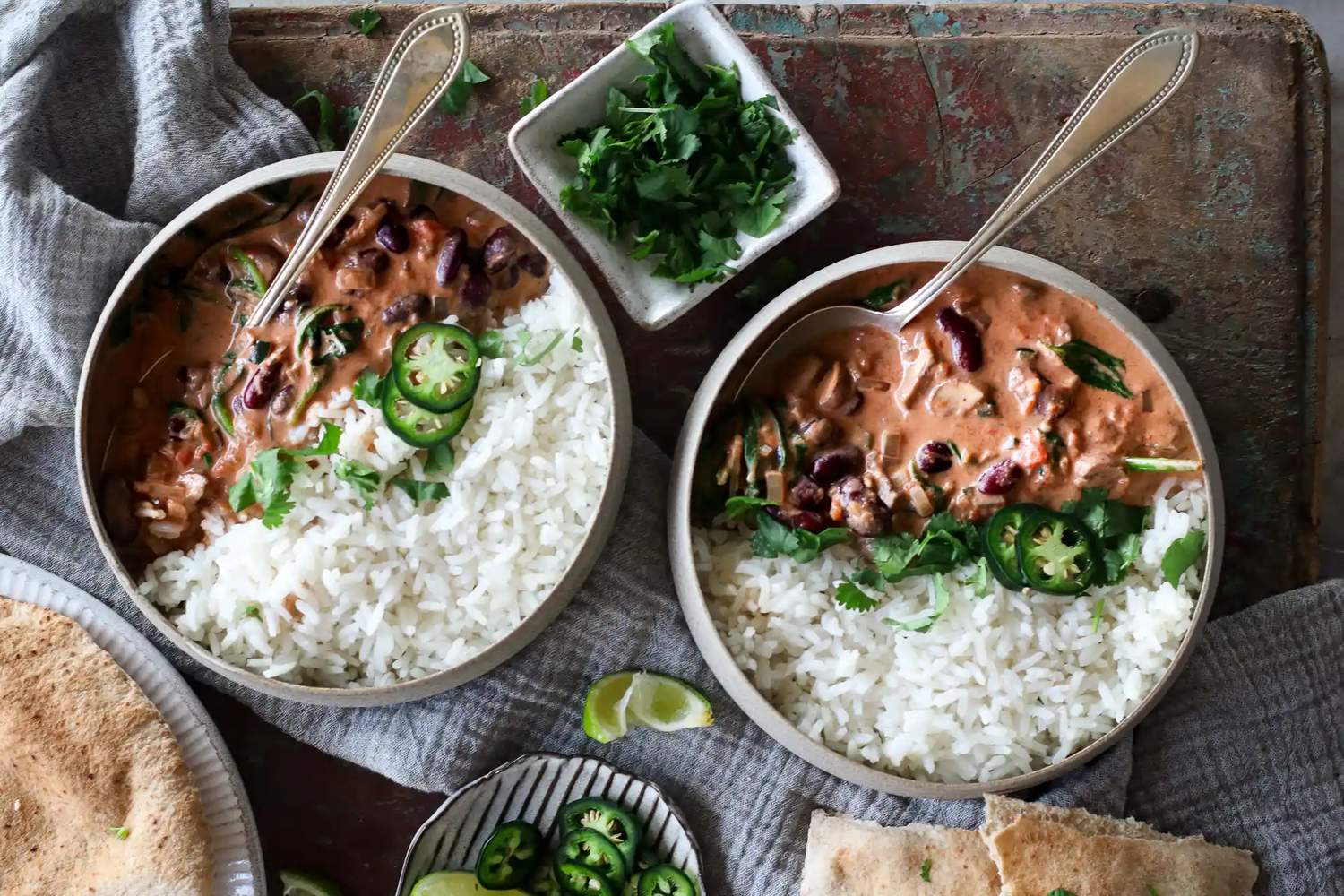
Iron deficiency is among the most common deficiencies worldwide. For those living a plant-based lifestyle, it can be difficult to know what to eat and how much is needed. Here we review sources of iron and recommendations to get enough.
Iron in brief
Iron is a mineral with several functions in the body. It’s most widely known to carry oxygen throughout the body, play a role in growth and development, and take part in the production of energy in our cells. There are two general types of iron:
Heme: This form is naturally from animal-based sources such as meat, poultry and fish. It has high absorption rates.
Non-heme: This form is from plant-based sources, although also makes up part of the iron in animal-based sources too. It has lower absorption rates compared to heme iron.
Iron recommendations
It's recommended that those following a plant-based lifestyle consume 1.8 times more iron compared to those who consume heme iron sources. This is because plant-based foods only contain non-heme iron which has lower absorption. Some research suggests that this 80% increase is not entirely necessary if individuals make dietary choices to promote iron absorption though.
The bracketed values below reflect the increased recommendations for those following a plant-based lifestyle:
- Men 19+ years: 8 mg daily (15 mg for plant-based lifestyles)
- Women 19-50 years: 18 mg daily (32 mg for plant-based lifestyles)
- Women 51+ years: 8 mg daily (15 mg for plant-based lifestyles)
- Pregnant women 19-50 years: 27 mg daily (49 mg for plant-based lifestyles)
- Breastfeeding women 19-50 years: 9 mg daily (16 mg for plant-based lifestyles)
It's also advised that iron intakes stay below 45mg/day from food and supplement sources combined. Note that women of reproductive age, pregnant women, athletes, and those with medical conditions leading to blood loss may have higher iron requirements. It's always best to speak with a doctor or dietitian for a personalized recommendation.
Meeting iron needs from foods first is recommended over supplementation where possible.
Plant-based iron sources
Plant-based sources of iron include legumes (such as beans, peas, and lentils), dark green vegetables, wholegrain or fortified products, nuts and seeds. Here are a few food sources that could contribute to our daily iron needs.
4-6 mg iron per serving
- Lentils, cooked (¾ cup)
- Oatmeal, cooked (¾ cup)
- Bulgar, cooked (1 cup)
2-4 mg iron per serving
- Blackstrap molasses (1 tbsp)
- Pumpkin seeds, roasted (¼ cup)
- Spinach, cooked (½ cup)
- Tomato puree (½ cup)
- Beans (most varieties), cooked (¾ cup)
- Edamame, cooked (¾ cup)
- Peas, cooked (¾ cup)
- Soy-based yogurt (¾ cup)
- Tempeh/fermented soy product (¾ cup)
- Tofu, cooked (¾ cup)
- Asparagus, raw (6 medium spears)
1-2 mg iron per serving
- Apricots, dried (¼-½ cup)
- Kale, cooked (½ cup)
- Beets, cooked (¾ cup)

Absorption
Other dietary factors can impact our absorption of iron. Here are some factors and possible strategies we can take to support iron absorption.
Phytates and Polyphenols
Many plant-based foods that contain iron also have what we call phytates and polyphenols. These compounds can bind to non-heme iron and interfere with absorption. To minimize this, we can soak our grains, nuts, seeds and legumes to reduce the phytate or polyphenol content. This in turn increases our iron absorption. Learn more about the benefits of soaking in our soaking article.
Tannins
Another culprit of lower iron absorption is tannins. These are are compounds commonly found in black tea, espresso, coffee, and red wine. When these beverages are consumed with meals, they can decrease non-heme iron absorption.
Calcium
High doses of calcium may reduce the absorption of iron. If taking supplemental calcium, consider avoiding doses at mealtimes. Some calcium supplements are recommended to be taken with food though, so it's always best to listen to recommendations from a healthcare professional. See our calcium article for more information if desired.
Vitamin C
As there are strategies to reduce interference of iron absorption, there are also strategies we can use to enhance our iron absorption! Vitamin C is known to increase the body's ability to absorb iron. Due to this, it's often recommended to enjoy iron-rich foods with vitamin C-rich sources, such as citrus fruits, kiwis, strawberries, sweet bell peppers, potatoes, and broccoli. Some examples include:
- Having berries with oatmeal
- Adding spinach with oranges in smoothies
- Enjoying tofu with bell peppers in stir fry
- Using tomato as a base for bean, pea, or lentil containing chili or curries
- Garnishing with freshly squeezed lemon

Getting enough iron
For vegans and non-vegans alike, it's important to be mindful that we're consuming iron-rich foods with each meal. The recommendations being 1.8 times more for plant-based lifestyles may sound unachievable, but this recommendation takes into account the iron-inhibiting foods that may interfere with absorption.
It's also important to keep in mind that those of us following a plant-based lifestyle generally have lower iron stored in the body. When our iron stores are low, we may be able to absorb more iron from foods. Lower iron stores may also be advantageous as studies have shown that having higher iron stores may increase stress in the body and the risk of certain diseases.
It's absolutely possible to get enough iron when eating well-balanced and nourishing plant-based foods for most of us.
A note on deficiency
When intakes of iron aren't enough over time it can lead to deficiency. Signs and symptoms of iron deficiency include fatigue, paleness of the skin, brittle nails, cracks in the sides of the mouth, and frequent infections.
Anemia is a condition where the number of blood cells in the body is less than normal.
Iron deficiency anemia is when the low number of blood cells is caused by ongoing inadequate iron. While iron deficiency is the most significant and common cause of anemia, it's not the only cause. Individuals may become anemic as a result of other long-standing health issues regardless of iron intake through the diet.
Iron supplements
For those who are diagnosed with iron-deficiency anemia through a blood test, iron supplements are often recommended to resolve the issue. Once an adequate level is reached though, long-term maintenance is generally best achieved with the consistent consumption of iron-rich foods combined with foods rich in vitamin C, as opposed to ongoing supplementation. This is to avoid the risk of consuming excess iron, which may have negative health outcomes, such as:
- Constipation or diarrhea
- Nausea or vomiting
- Increased risk of disease, such as heart disease
- Liver dysfunction
Important notes regarding supplementation
General supplementation: if it’s determined supplementation is needed, seeing a healthcare professional, such as a physician or dietitian, for a prescribed dosage and duration is best. The amount needed is always case-specific and taking incorrect doses may be harmful.
Multivitamins: these can also contain iron. We can be observant of this amount when calculating our total intake.
Fortification: in certain countries, commonly eaten foods may be fortified with iron. For example, in Canada, products such as flour, pasta and breakfast cereals have iron added to them.
Summary
- There are two types of iron. Non-heme iron is the plant-based source. Heme iron is the form that's from animal sources.
- The recommendation for iron intake is 1.8 times higher for those following a plant-based lifestyle. This takes into account the low absorption rates of non-heme iron.
- Tannins and polyphenols in foods can interfere with iron absorption. Soaking grains, nuts and seeds prior to cooking in addition to consuming coffee and tea apart from meals are ways to improve iron absorption.
- Iron-rich foods are often recommended to be consumed with vitamin C-rich foods. This is to increase our body's ability to absorb iron from foods.
- Meeting iron recommendations is achievable with balanced food choices, as long as efforts are made to reduce absorption interference, and iron-rich foods are consumed with vitamin C-rich foods.
- Not getting enough iron can increase the risk of iron deficiency anemia, which is the low number of red blood cells caused by not enough iron in the body.
- Iron supplementation is often only recommended to resolve iron deficiency in the short term. Long-term maintenance of iron levels in the body is generally best achieved with consistent consumption of a variety of iron-rich foods alongside vitamin C-rich foods.

Free PDF guide
Iron-rich food sources
Learn all about plant-based iron sources: how much we need, where to get it from, and to how boost its absorption!
Get the PDFSuggested articles
-
 4 min
Zinc
a vegan's guide, simplified
-
 7 min
Omega-3
recommendations for vegans
-
 6 min
Vitamin D and Nutrition
do we need supplements?
-
 5 min
Adequate Vitamin B12
on a plant-based lifestyle
-
 4 min
Video on YouTube
Foods We Eat Everyday
to optimize health
-
 9 min
Video on YouTube
Calcium on a Plant-Based Diet
everything you need to know
-
 4 min
Benefits of Soaking
nuts, seeds, beans & grains
-
 7 min
A Guide to Sugar
tips to reduce added sugars
-
 8 min
PDF guide
Video on YouTube
Healthy Food Hacks
making nourishing choices
-
 6 min
How to Gain Weight
healthfully on a plant-based diet
-
 8 min
Organic vs. Conventional
what's the best choice?
-
 9 min
Coconut Oil
filtering through the health claims
Leave a comment
This unique looks utterly perfect. Every one of plain and simple records are prepared through the help of great number for working experience handy experience. I will be happy it all for a second time considerably. <a href="https://xtremehd.uk/">非法 IPTV UK 色情下载</a>
Thank you
An impressive share, I simply given this onto a colleague who was doing a little analysis during this. And the man the fact is bought me breakfast since I ran across it for him.. smile. So let me reword that: Thnx for your treat! But yeah Thnkx for spending time to go over this, I’m strongly over it and enjoy reading more on this topic. If you can, as you become expertise, do you mind updating your blog site with additional details? It really is highly a good choice for me. Big thumb up due to this writing!
Hello my loved one! I wish to say that this article is amazing, great written and include almost all important infos. I’d like to peer more posts like this.
Hi PUL team!
I see that your recommendations for breastfeeding women is much lower than for non-breastfeeding women in the same age group. Is this a mistake or is there a reason breastfeeding women should consume less iron?
I love having coffee with my breakfast, usually oatmeal and since I am also usually in a rush to get to work I don't have the luxury of drinking it 30 mins apart. Can I consume decaffeinated coffee to prevent the effects of tannins?
Hi, how about newborns, toddlers as they grow up. You don't mention below woman, men < 19 year . Why?
Great article,very helpful!My ferritin was too low and I will be taking a supplement to catch up , but I am trying to improve my diet with food rich in iron. If Spinach is not cooked (eating it as a salad) how much shall I eat to get the same nutritional value in iron as when it is cooked?
I find it so difficult to get enough iron on a vegan diet I eat beans at most lunch and dinner and oats for breakfast. -and eat some vit c fruit striant after the meal
But I am still getting iron deficient all the time.
Are there any iron hacks / strategies.
I would early always reach the 18mg per day but struggle to get up to 32mg do you have a plan suggestion.
Hi, Sadia!! Thank you for all the great videos, I learn so much from them. Can you please tell me where i can buy the cute little dark brown or black salt spoon you use in your videos? I’ve searched for one everywhere but cannot find it. Thanks so much!!
Hi Sadia,
Thank you for this great information. I am wondering if drinking water with fresh lemon would work to increase iron absorption with a meal, even if not squeezed on the food.
Thanks.
Hi Sadia! I hope you are well. Thank you so so much for writing this article. I have been plant based for the last five years. You have been so insightful and helpful and your videos and energy brighten my day!!! Thank you! I have however noticed that it is hard for me to put on weight, and my fatigue and chronic pain has increased since going vegan. My blood tests came back all normal, except I have low iron and low blood sugar. I am hoping that iron may be the answer to helping my fatigue after all these years, as I didn't know I had a deficiency. Thank you so much for your advice as well, I appreciate the nutritionist perspective
Hi Sadia,
I recently discovered your channel through a friend's recommendation. I tried your sweet potato-beetroot recipe with coconut milk. Ghosh ! It turned out to be delicious! My husband loved it too. Please keep posting more recipes. Currently, exploring the rest of your channel. :)
Dear Sadia, your articles are amazing, thanks for your generosity¡
Hi Sadia,
You are amazing!
Thank you for the wonderful and healthy recipes that you share.
Could you please share some recipes to treat hair fall?
Hey Sadia,
Your blogs and videos are really helpful and as someone who has struggled with having healthy relation with food you make it all look so easy and it inspires me a lot to eat healthy!! you are like sunshine☀️ Always keep smiling 😊💕
Hi Sadia,
I enjoy your content a lot, be it a blog or videos on personal improvement, food and health in general. After watching your videos, I have incorporated many good habits, so thank you so much for sharing your knowledge with us. :)
Also, congratulations on getting engaged, I just loved that vlog !!
May God bless you to the fullest !!
Hi Sadia, I enjoy your videos & information. It has helped me to become more aware of plant based nutrition. Something that I am interested in. Lynn Johnson
This is the most helpful information I have been able to find on iron. I am prone to iron deficiency and have to really watch my iron intake (although I eat meat, because if I went vegan my iron levels would plummet, I tried). There is little comprehensive information on nutrition and iron, so thank you!
This article is very helpful, simple and clear. Thank you Sadia ❤️
Hello beautiful Sadia!
Thank you so much for your wonderful ideas and delightful recipes!
I believe it would be helpful for vegans to also comsume beetroot.
It has lots of iron and personally I add it wherever I can.
It's also available in powder for smoothies etc.
Greetings and love from Greece