How to Gain Weight
healthfully on a plant-based diet
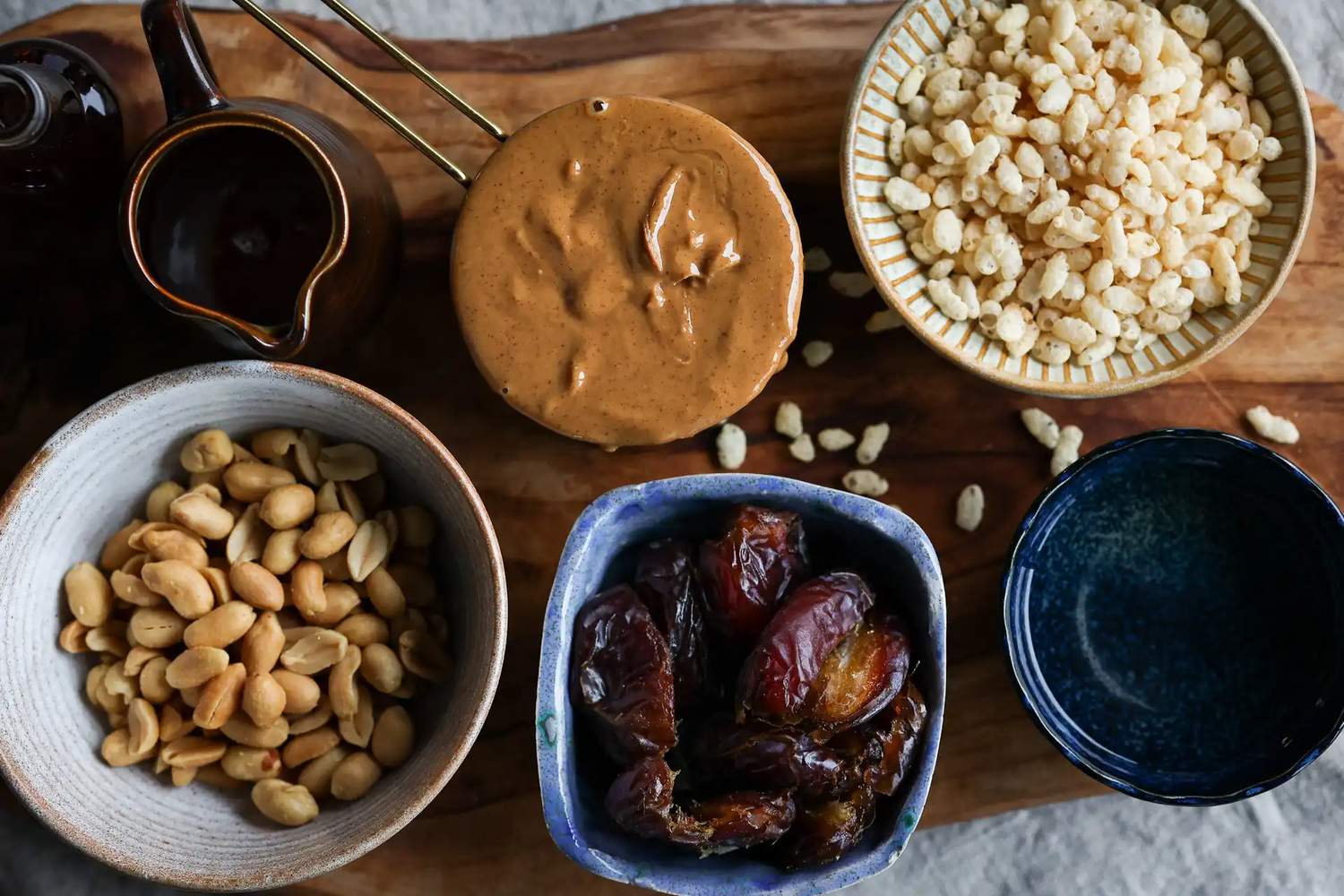
There are certainly fewer resources out there dedicated to healthfully gaining weight than there are on losing weight. It can be equally as challenging and complex. It might seem tempting to turn to foods high in processed sugar and fats as a method to gain weight. This may get the job done, but there are more nourishing ways to gain weight with wholesome foods and strategies. This article aims to guide us in the right direction.
Why gain weight
There are several reasons a person may want to consider gaining weight. Perhaps there was a recent illness resulting in weight loss, a change in appetite during a stressful time in life, or maybe we're an athlete looking to gain muscle mass. Some of us may also experience unintentional weight loss when transitioning to a plant-based lifestyle.
Those who follow a plant-based lifestyle tend to have lower BMI, or body mass index scores compared to the general population. While it's certainly possible to maintain a healthy weight while following a plant-based lifestyle, it may take some extra attention and care to ensure we eat enough to keep our bodies fuelled and to maintain a healthy weight.
A note about eating disorders: this article doesn't discuss eating disorders as this is an extraordinarily complex topic and one that merits an article of its own. Feel free to learn more on the topic in our overcoming eating disorders article.
Increase our food intake
This one seems fairly straightforward: eating more calories than our body's use can steer us towards gaining weight. This doesn't necessarily mean having to add unreasonable amounts of food to our regular intake. Rather, adding an extra 500-750 calories a day can result in a slow and steady weight gain, which is ideal. Here at PUL, we don't promote calorie counting unless there's a medical reason for it. For the sake of demonstration purpose though, let's see what it means to add these extra calories:
- 1/2 an avocado mashed on 1 slice toast with 1 banana on the side = ~ 500 calories
- Our chocolate hazelnut smoothie recipe = ~ 400 calories (without toppings)
- 1/4 cup hummus with 10 multiseed crackers and a 1/4 cup of dried fruit (dates, apricots etc.) = 500 calories
- 1 cup edamame pods (or 1/2 cup shelled) drizzled with sesame oil, and a side of toast = 500 calories
- 1 sliced apple with 3 tbsp of peanut butter and 1 cup of soy milk = 500 calories
Rather than carefully counting our calorie intake, we can be mindful that enjoying the addition of some of the foods described above can go a long way to boosting our intake. Similar to this, we can consider choosing energy-dense foods more often, as described below.
Choose energy-dense foods more often
Nuts and seeds: this is a fantastic way to increase calories, protein and healthy fats all in one. Here at PUL, we aim for the unsalted varieties. We could also consider purchasing candied nuts, though we prefer to make them ourselves. Macadamia nuts and walnuts are especially dense. Nuts and seeds would be a great snack to have with us while we're on the go, or can be added to sauces, stir-fries, granola, yogurt, salads, curries, and so on.
Olives: loaded with plenty of healthy fats, olives are a wonderful addition to salads, wraps, sandwiches and snacks. Try our olive tapenade on some crackers or in a sandwich for an explosion of flavour and for some extra energy-dense intake.
Avocados: these are one of the few produce items that are energy-dense. We can add these to the side of any savoury dish, or use their creaminess to our advantage in a dessert, such as this divine chocolate pudding. Avocados can also be blended into smoothies to get them smooth and creamy.
Granola: we can pretty much add granola to anything, and the beauty of making it at home is that we can really pack some nuts, seeds and dried fruits in. Give any one of our PUL granolas a try, and feel free to customize them as desired.
Dairy alternatives: Consider soy milk, as it provides more protein per cup than other plant-based milks. Another great option is adding full-fat coconut milk into smoothies, coffee, soups, or curries.
Fats and oils: these are an easy way to increase our energy intake while cooking or baking. They can be added to a sauce or salad dressing, or we can add a little drizzle of olive oil to a dish just before serving. Here at PUL, we do recommend getting as much of our healthy fats from whole food sources such as nut butters, nuts, seeds, olives or coconuts first before opting for oils. Even for those aiming to gain weight, we recommend using oil in moderation. Learn more about this in our fats and oils article.

Use beverages to boost intake
One easy way to boost our intake is through our beverage choices.
Consider opting for drinks that are both hydrating and offer some energy. This might include smoothies that include avocados and bananas, or lattes made with full-fat coconut milk. We can also consider juices made with fresh fruits and veggies.
Aim to drink beverages such as water/juice/tea after meals instead of before or during. This helps us avoid feeling full as quickly.
Training our appetite
It might feel difficult to increase the amount of food we eat at first. Here are some tips to help listen to our hunger cues and be more in tune with our appetite while aiming to gain weight.
Start slow: incorporate just one of the suggestions above each day and choose the ones that feel more sustainable to stick to. Keep it up for a few days before adding another food.
Exercise and sleep: exercising might seem counterintuitive for someone wanting to gain weight, but enjoying movement and getting enough sleep can help to increase our appetite. Practicing weight-training exercises more than cardio exercises are particularly helpful for gaining muscle.
Small and frequent: try eating smaller meals, more often. We can spread these out over the course of a day to avoid getting too full, such as a meal or snack every 2-3 hours.
Consider setting a timer: it might feel odd at first, but this can serve as a reminder to enjoy a meal or snack more consistently.
Limit "fat-free", "low-fat", or "light" products: full-fat products have more calories in them to help with weight gain. Another bonus is that they're generally more flavourful!
Try a bite: sometimes our appetite isn't always up for it. Even trying a few bites of something delicious can make us realize we're hungrier than we initially thought.
By enjoying a variety of foods including whole grains, nuts, seeds, fruits and vegetables, and by eating enough volume of these foods, it's possible to successfully gain weight over a period of time. Consider seeking professional help from a dietitian or physician for more support and help to address individual concerns and possible supplementation.
Summary
- Increase food intake gradually. Start with adding one suggestion from above and gradually adding a few more.
- Choose more energy-dense foods. Examples include nuts, seeds, avocados, granola, and dairy alternatives. We can stock up of the items that are most enjoyed and satisfying.
- Pack the energy into beverages. Consider milk, juice, and smoothies when possible, in addition to water
- Seek professional help when needed. Whether it's a physician or a local dietitian, they'll be able to provide individualized information and follow up on a more ongoing basis.
Suggested articles
-
 8 min
PDF guide
Video on YouTube
Healthy Food Hacks
making nourishing choices
-
 4 min
Video on YouTube
Foods We Eat Everyday
to optimize health
-
 5 min
Video on YouTube
Meal Prep Like a Boss
tips to minimize time in the kitchen
-
 4 min
Video on YouTube
How to Make a Smoothie Healthier
5 simple tips for healthy smoothies
-
 9 min
Video on YouTube
Calcium on a Plant-Based Diet
everything you need to know
-
 12 min
Why You're Always Tired
+ how food can fix it!
-
 8 min
Video on YouTube
The Nourish Method
plant-based eating made easy (+ complete)
-
 9 min
Food and Mood
how we can feel better
-
 13 min
PDF guide
Intuitive Eating
make peace with food
-
 7 min
Let's Beat Breast Cancer
a four-pronged approach
-
 10 min
Video on YouTube
Kitchen Essentials
for food prep & efficiency
-
 6 min
How to Have an Amazing Day
10 practical tips
Leave a comment
Thanks
I really needed to ask this. There's so much ambiguity in the online data that is available that it gets confusing and difficult to narrow down an answer. So, I have been managing my irregular periods for a while, and reading your articles has really helped. There's so much undue credit that we don't give to food. I wanted to know whether it makes a difference in consuming either plant-based milk or dairy milk if you're a menstruator. Since I've begun to meal-prep, I wanted to not only nourish my body but also orient the nutrition around the menstrual cycle so that I can support my body through all three phases. And on the website healthline.com I read that one should avoid dairy during the luteal phase. Since you're a dietician and a brilliant one I might add, I wanted you to confirm this piece of information. Please enlighten me.
Thank You for This Amazing Content.
Thank you so much for all of your comprehensive nutrition articles! I've browsed through so many nutrition and health related articles out there and it's a bit overwhelming with all of the information! I appreciate how you explain things clearly and in a straightforward way. It makes things so much clearer and easier to understand. keep it up! :)
Thank you so much. Now I at least feel safe with the strategy I follow.
Dear PUL,
After strugling with low weight for some time i wanteded to applaud you for your wounderful website and videos, that have really helped me start and stay on a lifestyle that i trulley believe in and also maintain a healthier body weight. thank you so much and keep up the good work! i am always on the look out for new recipes